
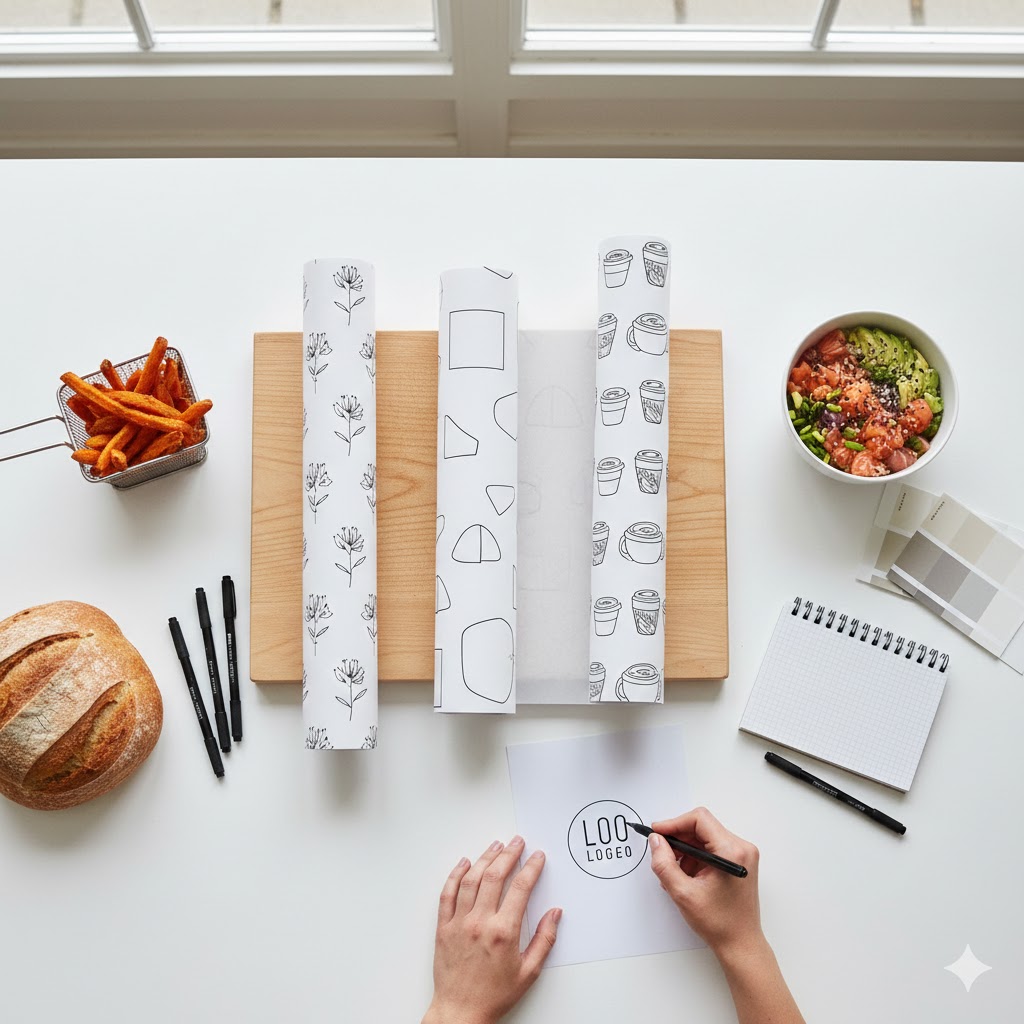

Your brain judges food before you taste it based on branding cues. Restaurant Food Branding shapes what customers expect from dishes they order today. Strong brands create positive expectations that influence actual taste perception during eating. Poor branding makes customers doubt quality even before trying any food items. Visual identity and messaging tell stories that prime taste buds for experiences. Understanding branding psychology helps restaurants maximize customer satisfaction and spending levels consistently. Small branding choices create big differences in how people rate identical foods. Let us explore how branding elements influence what customers think they taste.
Why Do Premium Brand Names Make Food Taste Better Subjectively?
Expensive sounding names trigger expectations of superior quality and careful preparation. Cheap generic names lower expectations and make food taste less impressive. Customers believing food is premium actually experience enhanced flavors through psychological effects. Brand perception changes brain chemistry that processes taste signals from tongue receptors. High end branding justifies premium pricing customers accept without questioning value received. Prestigious names create placebo effects where customers taste what they expect. Name selection dramatically impacts perceived quality independent of actual recipe or ingredients.
How Does Logo Design Influence Customer Trust In Food Quality?
Professional polished logos suggest established businesses with proven quality standards maintained. Amateur looking logos make customers question competence throughout the entire restaurant operation today. Clean simple designs communicate confidence that translates to food quality expectations formed. Busy complicated logos create confusion about what your restaurant actually represents clearly. Consistent logo use across materials builds recognition that customers associate with experiences. Custom printed greaseproof paper featuring logos reinforces brand identity during every customer interaction. Visual identity shapes trust levels before anyone orders or tastes anything served.
Can Color Psychology In Branding Affect Appetite And Taste Perception?
Red and yellow colors stimulate appetite and create excitement around food offerings. Blue tones suppress hunger and work poorly for most restaurant branding purposes. Green suggests freshness and health that appeals to conscious modern diners today. Dark colors communicate sophistication and luxury appropriate for upscale dining establishments only. Wrong color choices confuse messaging and fail to trigger desired emotional responses. Strategic color use enhances Restaurant Food Branding by aligning visual cues with offerings. Colors influence mood states that directly affect how customers experience taste.
What Role Does wrapping Consistency Play In Building Brand Expectations?
Uniform wrapping across all items creates professional image customers trust and remember. Random wrapping suggests disorganization that damages perception of quality standards maintained throughout. Consistent materials and designs prove attention to details in every business aspect. Variable wrapping confuses brand identity and weakens recognition among repeat customers visiting. Predictable presentation allows customers to know exactly what to expect from you. WaxPapersHub provides standardized solutions that help maintain branding consistency across all service periods. Reliable wrapping builds confidence that food inside meets established quality promises always.
Why Should Restaurant Stories Shape How Customers Perceive Food Value?
Origin stories about recipes create emotional connections that enhance taste experiences significantly. Family tradition narratives make food feel more authentic and worth premium pricing. Local sourcing stories suggest freshness and quality that customers value when choosing restaurants. Generic descriptions fail to create memorable impressions that differentiate your brand from competitors. Compelling backstories give customers reasons to choose you over similar nearby options. Customers in the USA appreciate transparency about where food comes from and why. Narrative branding transforms simple dishes into experiences customers remember and discuss later.
How Can Menu Descriptions Elevate Perceived Taste Before Ordering Happens?
Vivid descriptive language creates anticipation that primes taste buds for enjoyment coming. Plain boring descriptions fail to excite customers or justify higher menu prices. Adjectives suggesting quality ingredients influence what customers think they taste when eating. Technical cooking terms suggest expertise that makes food seem more valuable overall. Appetizing descriptions increase orders of specific items through psychological suggestion techniques working. Quality food paper menus that present descriptions attractively reinforce premium positioning effectively always. Language choices directly impact Restaurant Food Branding and subsequent taste satisfaction ratings given.
Does Physical Environment Branding Affect How Food Actually Tastes Subjectively?
Upscale decor makes identical food taste better than when served in plain settings. Consistent design elements reinforce brand promises about quality throughout dining experience stages. Mismatched environments confuse customers about what quality level to expect from food. Cohesive branding from entrance through restrooms builds trust in every operational aspect. Environment quality suggests kitchen standards customers cannot see but definitely assume exist. Branded environments create contexts where customers experience food through desired perception lenses. Atmosphere shapes taste experiences more powerfully than most restaurant owners realize fully.
Why Is Staff Presentation Part Of Overall Food Branding Strategy?
Uniformed staff communicate professionalism that extends to food preparation standards maintained daily. Sloppy employee appearance suggests carelessness that damages confidence in food quality too. Branded uniforms turn workers into walking advertisements reinforcing restaurant identity constantly everywhere. Consistent staff presentation proves organizational discipline across all business operations and functions. Professional appearance creates expectations of competent service and quality food coming soon. Employee branding completes comprehensive Restaurant Food Branding that influences every customer touchpoint. Staff presentation shapes first impressions that color the entire dining experience from the start.
Conclusion
Branding powerfully influences how customers experience and rate restaurant food quality. Restaurant Food Branding creates expectations that become self fulfilling prophecies during actual eating. Strategic branding choices enhance perceived taste without changing any recipes or ingredients. Customers genuinely taste what branding leads them to expect from your establishment. Ignoring branding psychology means leaving money on tables through missed perception opportunities. Every branding element either strengthens or weakens taste expectations you want to create. Invest in comprehensive branding today and watch customer satisfaction scores climb higher.